

How to Prep Your Skin for Tanning After a Long Winter Indoors
- Dec 30, 2025
- 4 min read
After months of cold temperatures, indoor heating, low humidity, and reduced sun exposure, your skin transitions into spring feeling dry, dull, and uneven. This makes late winter and early spring the most important time of the year to properly prep your skin before tanning — whether you're planning a spray tan, sunless tan, or indoor tanning session.
Winter skin requires extra care to create the smooth, hydrated foundation needed for a flawless, long-lasting glow.
This guide walks you through everything you should do before tanning after winter, the common mistakes to avoid, and how to maintain beautiful results as the weather warms up.
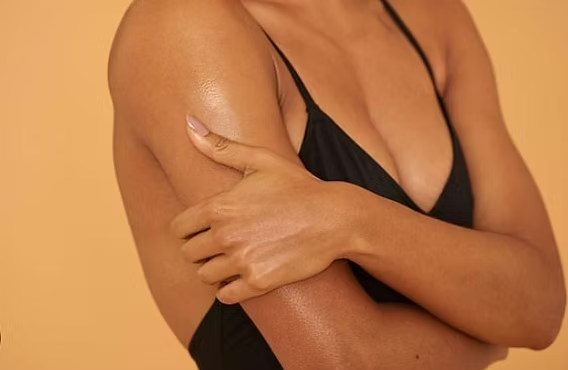
Why Winter Skin Needs Extra Prep Before Tanning
Winter changes your skin texture dramatically:
✔ Dryness from indoor heat
✔ Flakiness from low humidity
✔ Build-up of dead skin cells
✔ Rough patches on elbows, knees, and ankles
✔ Increased sensitivity
✔ Dull and uneven tone
If you tan without preparing your skin, you risk:
❌ Streaks
❌ Patchy color
❌ Fast fading
❌ Uneven absorption
❌ Orange or muddy tones
Starting with a smooth canvas is essential.
Learn more:👉 Why Getting a Great Tan Isn’t Always So Simple
Step 1 — Start With Gentle, Consistent Exfoliation
Exfoliation removes dead skin cells that cause blotchy or uneven tans.
Best exfoliation tips:
✔ Start exfoliating 3–5 days before tanning
✔ Choose a gentle scrub, not a harsh one
✔ Use circular motions
✔ Pay attention to elbows, knees, ankles
✔ Avoid exfoliating the day of your tan
To learn the perfect prep routine:👉 How to Prepare Your Skin for a Perfect Tan
Step 2 — Deep Hydration Is Essential for Winter Skin
Hydrated skin tans more evenly and holds color longer.
Hydration tips:
✔ Apply a non-oily moisturizer daily
✔ Drink plenty of water
✔ Use aloe, hyaluronic acid, or shea butter
✔ Avoid petroleum-based lotions (they block tanning solution)
✔ Focus on dry areas first
Hydrated skin = smoother tan development.

Step 3 — Repair Winter Damage With Red Light Therapy
Red light therapy helps revive winter-stressed skin.
Benefits include:
✔ Improved skin texture
✔ Increased elasticity
✔ Softer surface for tanning
✔ Improved moisture retention
✔ Reduced winter redness
Adding this to your routine gives your tan a better foundation and longer life.
Explore tanning as part of your wellness routine:👉 Tanning Smarter — How to Make It Part of Your Wellness Routine
Step 4 — Choose the Safest Tanning Method for Post-Winter Skin
Not all tanning methods work the same on winter skin. Consider:
✔ Spray Tanning
Perfect for sensitive or dry skin. It delivers a natural color without UV exposure.
✔ Sunless Tanning Lotions
A great option for maintaining color at home — but requires skill.
If you've had poor DIY results, you're not alone:👉 Why DIY Tanning Often Disappoints — And How to Get Better Results
✔ Professional Indoor Tanning
Controlled, gradual color development helps winter skin transition safely.
Learn why it’s superior to DIY efforts:👉 Advantages of Choosing a Professional Tanning Salon for Your Skin
Step 5 — Avoid Common Tanning Mistakes After Winter
Winter-prepped skin is delicate, so avoid:
❌ Tanning too quickly or too often
❌ Using oily lotions before sessions
❌ Applying too much self-tanner at once
❌ Exfoliating too aggressively
❌ Choosing a color too dark for your base
❌ Rushing the development process
To see what goes wrong most often:👉 Avoiding Common Tanning Mistakes — What Most People Get Wrong
Step 6 — Moisturize Daily After Tanning
Winter skin loses moisture fast. After tanning:
✔ Moisturize twice daily
✔ Avoid hot showers
✔ Pat your skin dry
✔ Use tan-friendly products (no alcohol, no exfoliants)
For longer-lasting glow:👉 How to Maintain Your Tan for Longer and Keep Your Skin Healthy
Step 7 — Consider Sunless Touch-Ups Between Tanning Sessions
Sunless tanning:
✔ Extends your glow✔ Helps even out fading✔ Adds depth gradually✔ Prevents overexposure
Just avoid over-application and always exfoliate lightly before reapplying.
Learn more techniques:👉 10 Sunless Tanning Techniques for All Skin Tones
Step 8 — Avoid DIY Experiments Immediately After Winter
DIY tanning is riskier when your skin is dry, flaky, or uneven — exactly what winter causes.
DIY can lead to:
❌ Dark patches
❌ Orange buildup
❌ Streaking
❌ Product oxidation
❌ Premature fading
Read why DIY can be more harmful than you realize:👉 The Truth About DIY Tanning — Why Your Glow Might Be Doing More Harm Than Good

FAQs
1. Why is winter skin harder to tan?
Dry, flaky skin absorbs color unevenly and fades faster.
2. How soon before tanning should I exfoliate?
Start 3 days before — but avoid exfoliating the day of tanning.
3. Is spray tanning good for winter skin?
Yes — it's gentle, hydrating, and customizable.
4. Should I moisturize before tanning?
Yes, but avoid heavy oils right before your session.
5. How can I make my winter tan last longer?
Daily moisturizing, gentle cleansing, and avoiding harsh exfoliants.
6. Does red light therapy help before tanning?
Absolutely — it improves tone, texture, and hydration.
7. Why should I avoid DIY tanning after winter?
Winter skin amplifies streaks and patchiness, making DIY results unreliable.
Prep Your Winter Skin for a Beautiful Spring Glow at Tan by the Sea
Get expert tanning, premium equipment, and personalized skincare guidance to help your skin transition flawlessly from winter to spring.


Comments